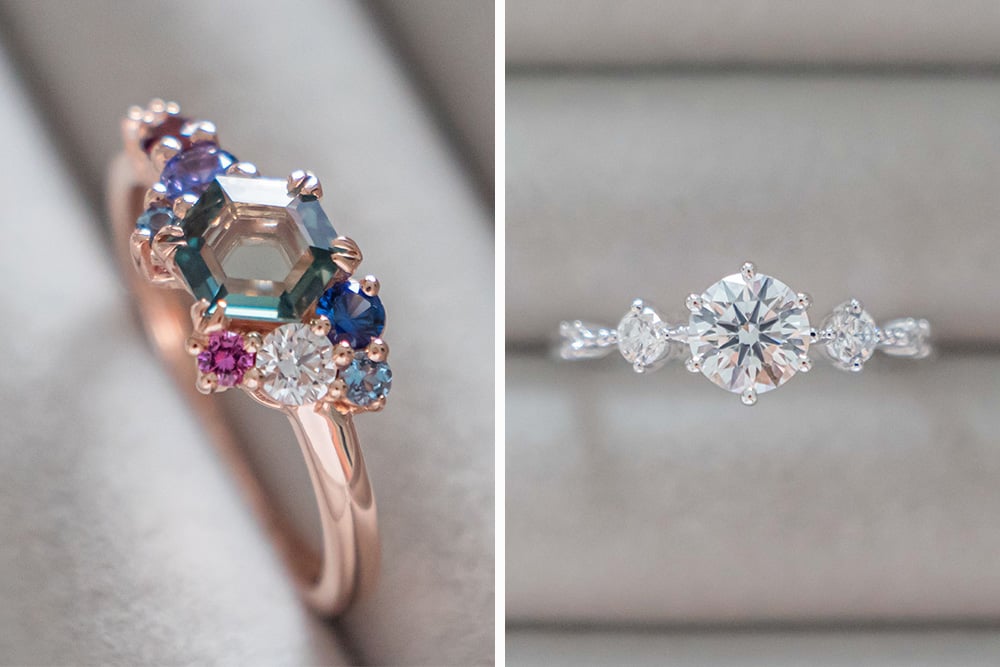

Lab made diamonds have become a popular choice for buyers who want genuine diamonds with modern production methods. They have the same crystal structure, hardness, and brilliance as mined diamonds. The main difference lies in how they are created.
Scientists grow these diamonds inside controlled laboratories using advanced technology that copies the natural conditions found deep inside the Earth. Once the growth process finishes, experts cut, polish, and grade them using the same standards applied to natural diamonds.
This guide explains how lab made diamonds are produced, how they compare with mined diamonds, and why they have become a trusted option for engagement rings, necklaces, and diamond studs.
What Are Lab Made Diamonds?
Lab made diamonds are real diamonds created through scientific processes instead of natural geological formation. Their chemical composition is pure carbon arranged in a crystal lattice.
Professional gemological laboratories grade lab made diamonds according to the same Four Cs used for natural diamonds:
- Carat weight
- Cut
- Color
- Clarity
Because their physical and optical properties match natural diamonds, even trained professionals often need specialized equipment to identify their origin.
How Lab Made Diamonds Are Created
Manufacturers use two primary production methods.
High Pressure High Temperature (HPHT)
HPHT recreates the intense pressure and heat found deep beneath the Earth’s surface. Carbon crystallizes around a small diamond seed until it forms a larger diamond crystal.
This method closely follows the natural growth process.
Chemical Vapor Deposition (CVD)
CVD begins with a thin diamond seed placed inside a vacuum chamber. Carbon-rich gas enters the chamber and breaks into carbon atoms. These atoms gradually bond to the seed and build a larger diamond layer by layer.
Many manufacturers prefer CVD because it offers excellent control over crystal growth and quality.
Are Lab Made Diamonds Real Diamonds?
Yes. Lab made diamonds are genuine diamonds.
They share the same:
- Hardness of 10 on the Mohs scale
- Chemical composition
- Optical performance
- Fire and brilliance
- Durability
The only difference is their origin.
Natural diamonds formed underground over billions of years. Lab made diamonds grow inside laboratories within several weeks using advanced engineering.
Lab Made Diamonds vs Natural Diamonds
Although they look identical, several practical differences influence buying decisions.
| Feature | Lab Made Diamonds | Natural Diamonds |
|---|---|---|
| Origin | Laboratory | Earth |
| Composition | Pure carbon | Pure carbon |
| Hardness | 10 Mohs | 10 Mohs |
| Appearance | Identical | Identical |
| Grading | Same standards | Same standards |
| Production Time | Weeks | Billions of years |
Many buyers choose lab made diamonds because they can purchase a larger or higher-quality stone within the same budget.
Understanding Diamond Quality
A diamond’s appearance depends more on quality than its origin.
Cut
Cut determines how efficiently a diamond reflects light.
An excellent cut creates:
- Bright sparkle
- Strong brilliance
- Better fire
- Balanced proportions
Cut often has the greatest influence on visual beauty.
Color
Diamond color ranges from D to Z.
- D to F: Colorless
- G to J: Near colorless
- K and below: Noticeable color
Many buyers choose near colorless diamonds because they appear white while offering good value.
Clarity
Clarity measures internal and external characteristics.
Higher clarity grades contain fewer visible inclusions. However, many VS and SI diamonds appear flawless without magnification.
Carat Weight
Carat measures weight rather than physical size.
A well-cut one-carat diamond often appears larger than a poorly cut stone of equal weight.
Why Diamond Studs Are a Popular Choice
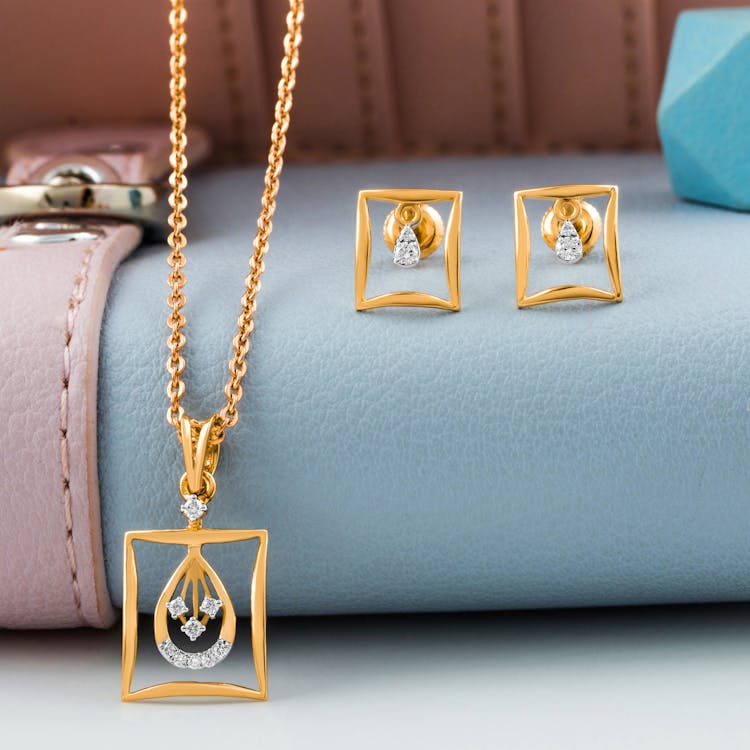
Diamond studs remain one of the most versatile jewelry styles.
Their simple design suits casual clothing, business attire, and formal occasions. They also match nearly every jewelry collection.
Many shoppers choose lab made diamonds for diamond studs because they can purchase larger matching stones while maintaining excellent quality.
Popular shapes include:
- Round Brilliant
- Princess
- Oval
- Cushion
- Emerald
Round diamonds continue to dominate because they produce exceptional brilliance.
Choosing Lab Made Diamond Studs
Several details affect the appearance of diamond studs.
Match Both Diamonds
Stud earrings should have closely matched:
- Color
- Clarity
- Carat weight
- Cut quality
Matching stones create a balanced appearance on both ears.
Select the Right Setting
Common settings include:
- Four-prong
- Three-prong martini
- Bezel
- Basket setting
Each setting offers a different balance between security and visibility.
Consider Everyday Wear
Diamond studs are designed for frequent use.
Secure backings such as screw backs or locking backs help keep earrings safely in place.
How Lab Made Diamonds Are Graded
Independent laboratories evaluate lab made diamonds using strict grading standards.
A grading report usually includes:
- Carat weight
- Cut grade
- Color grade
- Clarity grade
- Polish
- Symmetry
- Measurements
These reports help buyers compare diamonds objectively instead of relying only on appearance.
Common Myths About Lab Made Diamonds
Myth 1: They Are Fake
Lab made diamonds are genuine diamonds. They are not cubic zirconia or moissanite.
Myth 2: They Do Not Sparkle
Sparkle depends on cut quality. A well-cut lab made diamond performs just as beautifully as a well-cut natural diamond.
Myth 3: They Scratch Easily
Diamonds remain the hardest known natural material regardless of their origin.
Myth 4: Only Experts Buy Them
Many first-time buyers, experienced collectors, and jewelry designers choose lab made diamonds because they value quality and transparency.
Caring for Lab Made Diamonds
Proper care helps maintain brilliance for many years.
Simple maintenance includes:
- Clean jewelry with warm water and mild soap.
- Use a soft toothbrush for gentle cleaning.
- Rinse thoroughly.
- Dry with a lint-free cloth.
- Store pieces separately to prevent scratches.
Professional inspections once a year can also ensure settings remain secure.
Who Should Consider Lab Made Diamonds?
Lab made diamonds suit many different buyers.
They are popular among people purchasing:
- Engagement rings
- Wedding bands
- Diamond studs
- Tennis bracelets
- Pendants
- Anniversary gifts
They also appeal to buyers who want certified diamonds with excellent cut, color, and clarity while staying within a planned budget.
Frequently Asked Questions
Are lab made diamonds real?
Yes. They have the same physical, chemical, and optical properties as natural diamonds.
Can lab made diamonds be certified?
Yes. Independent gemological laboratories grade and certify them using recognized industry standards.
Do lab made diamonds last forever?
Yes. Their hardness and durability match natural diamonds, making them suitable for everyday jewelry.
Are diamond studs a good choice with lab made diamonds?
Yes. Lab made diamonds allow buyers to select well-matched stones with excellent quality for classic diamond studs.
Final Thoughts
Lab made diamonds combine genuine diamond properties with advanced manufacturing technology. They deliver the same brilliance, hardness, and beauty expected from any real diamond. Buyers can evaluate them using the familiar Four Cs and independent grading reports.
They also work exceptionally well in timeless jewelry such as diamond studs, engagement rings, and pendants. Understanding cut, color, clarity, and carat helps buyers select a diamond that matches their style, budget, and long-term expectations.