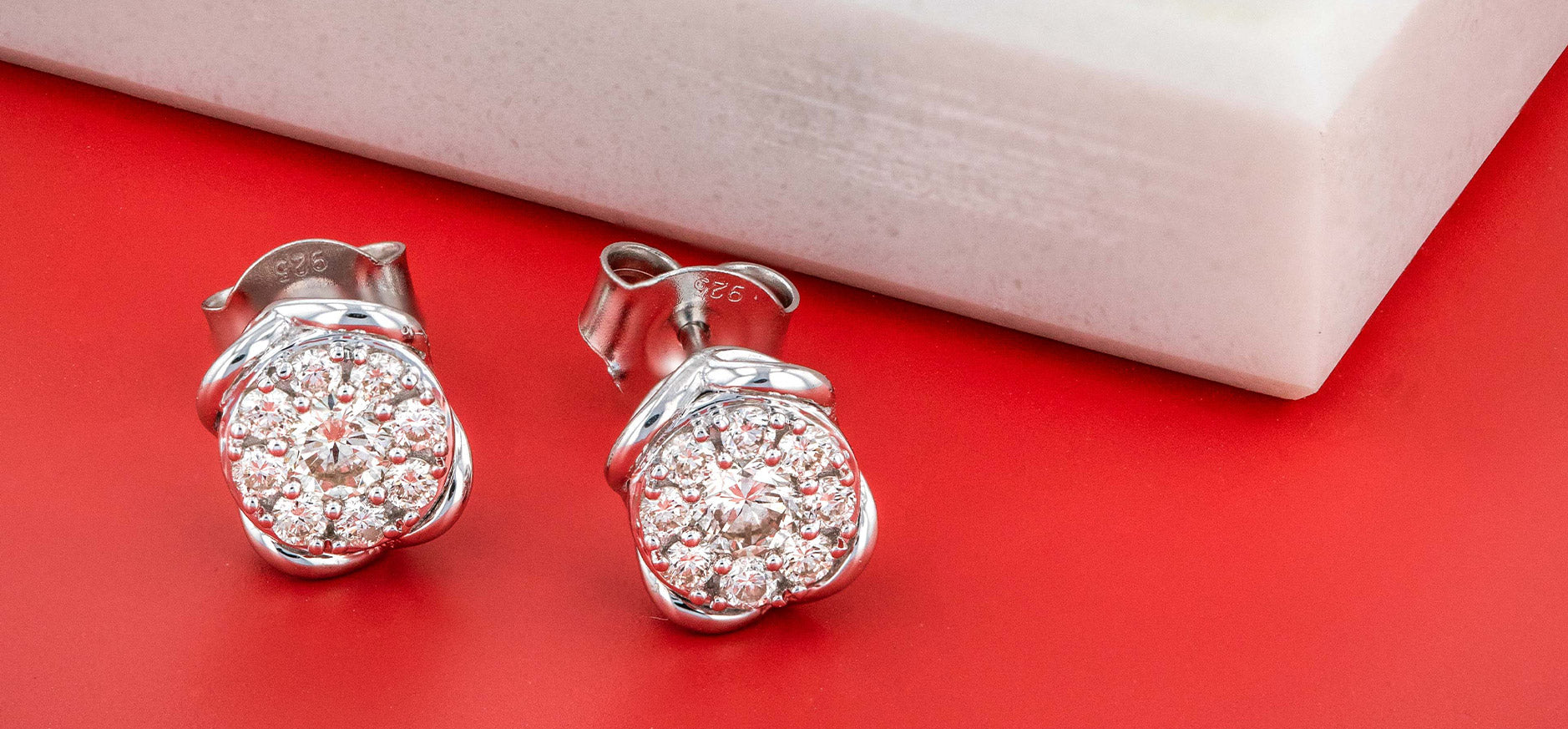

An engagement ring may be needed sooner than expected. A proposal date might already be planned, travel arrangements may be booked, or a couple may simply prefer not to wait several weeks for a custom design. In these situations, ready-to-ship engagement rings offer a practical alternative to made-to-order jewelry.
However, a ring being available for immediate dispatch does not mean every detail is settled. Diamond quality, ring size, setting security, and delivery conditions still deserve careful attention.
For buyers in Spain, the goal is to find a ring that meets their design preferences while arriving within a realistic timeframe. Knowing what ready-to-ship actually means, and which specifications matter most, can prevent expensive mistakes.
What Does Ready-to-Ship Actually Mean?
A ready-to-ship engagement ring is generally a completed piece of jewelry that a retailer has available for dispatch without the usual manufacturing wait.
This differs from a made-to-order ring, where the jeweler may need to source a diamond, produce the setting, set the stone, and complete finishing work after receiving an order.
Still, retailers do not always use availability terms in the same way.
A ring described as in stock may be physically available, while another listed as available to order might require additional preparation. Some retailers also distinguish between dispatch time and the estimated delivery date.
Before placing an order, confirm whether the advertised ring is fully assembled and available in the selected size.
For shoppers comparing ready to ship engagement rings Spain, the useful starting point is to check the actual ring specifications alongside the stated dispatch conditions, rather than relying on the product category alone.
The Diamond Specifications That Deserve Attention
A shorter buying timeline should not mean ignoring diamond quality. The same grading principles apply to ready-made rings and custom designs.
Cut Quality Matters More Than Size Alone
Diamond cut influences how effectively a stone reflects light. For round brilliant diamonds, cut grading can help buyers compare light performance.
A larger diamond with poor proportions may appear less lively than a smaller stone with a well-executed cut.
Fancy shapes, including oval, pear, and emerald cuts, require closer visual inspection because their appearance cannot always be judged through a single overall cut grade.
For an oval diamond, examine the symmetry and the dark bow-tie effect across its center. With emerald cuts, pay attention to the arrangement of the long facets and whether inclusions are easily visible.
Carat Weight and Face-Up Appearance
Carat measures weight, not the visible dimensions of a diamond.
Two stones of the same carat weight can appear different in size because their proportions and depth vary.
If comparing rings online, request the diamond’s measurements in millimeters. These provide a clearer indication of how much space the stone will occupy on the finger.
A balanced setting can also make a moderate-sized diamond appear prominent without requiring a substantial increase in carat weight.
Lab-Grown Diamonds and Grading Reports
Lab-grown diamonds have essentially the same chemical composition, crystal structure, and optical properties as natural diamonds. Their origin differs, but both can be evaluated for cut, color, clarity, and carat weight.
Buyers should check whether the center stone has an independent grading report from a recognized lab created diamonds, such as IGI or GIA, and understand which characteristics the report documents.
A report number should correspond to the diamond being purchased. Where available, a laser inscription can provide an additional way to match the stone to its documentation.
Ring Size Can Be the Biggest Delivery Risk
A ring may be ready for dispatch, but the required size might not be available.
This is particularly relevant when purchasing an engagement ring as a surprise. Guessing a size from photographs or general hand measurements can result in a ring that feels uncomfortable or slips off.
In Spain, ring sizes are commonly expressed using Spanish numerical sizing, while international retailers may display European circumference-based sizes or US measurements.
These systems are not interchangeable without conversion.
Before ordering, check which sizing standard the retailer uses. A professional measurement from a local jeweler is preferable when possible.
It is also useful to ask whether resizing is available after delivery. Plain metal bands are generally easier to adjust than full-eternity designs or rings with stones extending around much of the band.
For a time-sensitive proposal, choosing an available size that can be adjusted later may be practical, but only after confirming the jeweler’s resizing limits.
Setting Design Affects Daily Wear
The ring’s appearance matters, but its construction determines how comfortably it fits into everyday life.
Different settings offer different levels of protection, visual detail, and maintenance needs.
|
Setting style |
Main advantage | Practical consideration |
|---|---|---|
| Solitaire | Simple design with an exposed center stone |
Raised prongs may catch on clothing |
|
Bezel |
Metal surrounds and protects the stone’s edge | Covers part of the diamond’s outline |
| Halo | Small diamonds add visual coverage |
More stones and settings require inspection |
|
Pavé |
Adds sparkle along the band | Small stones can loosen after impact |
| Low-profile setting | Sits closer to the finger |
May limit flush wedding-band pairing |
For someone who works frequently with their hands, a lower setting with a secure stone arrangement may be preferable to a tall, delicate design.
A four-prong solitaire can expose more of the diamond, while a six-prong design may provide additional security for a round center stone. The quality and condition of the prongs remain essential in either case.
Precious Metal Choices Should Match the Wearer
Metal selection affects the ring’s color, weight, maintenance, and long-term appearance.
18K Gold
18K gold contains 75% gold, with other metals added to improve its working properties and influence its color.
Yellow gold offers a warm appearance that pairs well with many diamond shapes. White gold provides a cooler finish, although rhodium-plated white gold may need replating as its surface coating wears.
Rose gold receives its pink tone primarily from copper in the alloy.
Platinum
Platinum is naturally white and commonly used for engagement ring settings. It is dense, durable, and develops a surface patina with wear.
Although platinum resists material loss relatively well, it can still scratch and deform under force.
Neither platinum nor gold eliminates the need for periodic setting inspections.
Delivery, Returns, and Consumer Protection in Spain
Online engagement ring purchases involve more than selecting a design and entering a delivery address.
Before paying, confirm the dispatch date, estimated arrival, shipping insurance, signature requirements, and what happens if a parcel is delayed or lost.
For purchases from professional sellers covered by Spanish and EU consumer rules, distance-selling customers generally have a 14-day withdrawal right, subject to legal exceptions.
One important exception concerns goods made to the consumer’s specifications or clearly personalized. An engraved or specially modified ring may therefore have different return conditions from a standard stock item.
A ready-made ring is not automatically excluded from withdrawal rights simply because it is expensive jewelry.
Buyers should also review warranty information and understand the difference between statutory rights for defective goods and optional services such as cleaning, resizing, or routine maintenance.
If ordering from outside the EU, check whether import VAT, customs charges, or handling fees may apply.
The Final Checks Before Confirming an Order
A ready-to-ship ring can reduce the wait, but the most useful buying decision is often made in the final product review.
Before confirming payment, make sure the listing answers these questions:
-
Is the photographed ring the exact item being supplied, or an example of the design?
-
Is the selected diamond included in the advertised price?
-
Does the center stone have a grading report?
-
Is the chosen ring size available for immediate dispatch?
-
Are resizing, engraving, and other modifications likely to delay shipping?
-
Will the wedding band sit flush against the engagement ring, or will a shaped band be necessary?
-
What happens if the ring arrives damaged or does not fit?
Wedding-band compatibility is especially easy to overlook. Some engagement rings have low baskets or prominent center settings that prevent a straight wedding band from sitting closely beside them.
Checking this detail before purchase can avoid the need for a specially shaped band later.
The strongest ready-to-ship purchase is one where the buyer knows exactly which ring is available, understands the diamond’s specifications, and has confirmed the delivery and after-sales conditions in writing. Speed is useful only when those details are clear.