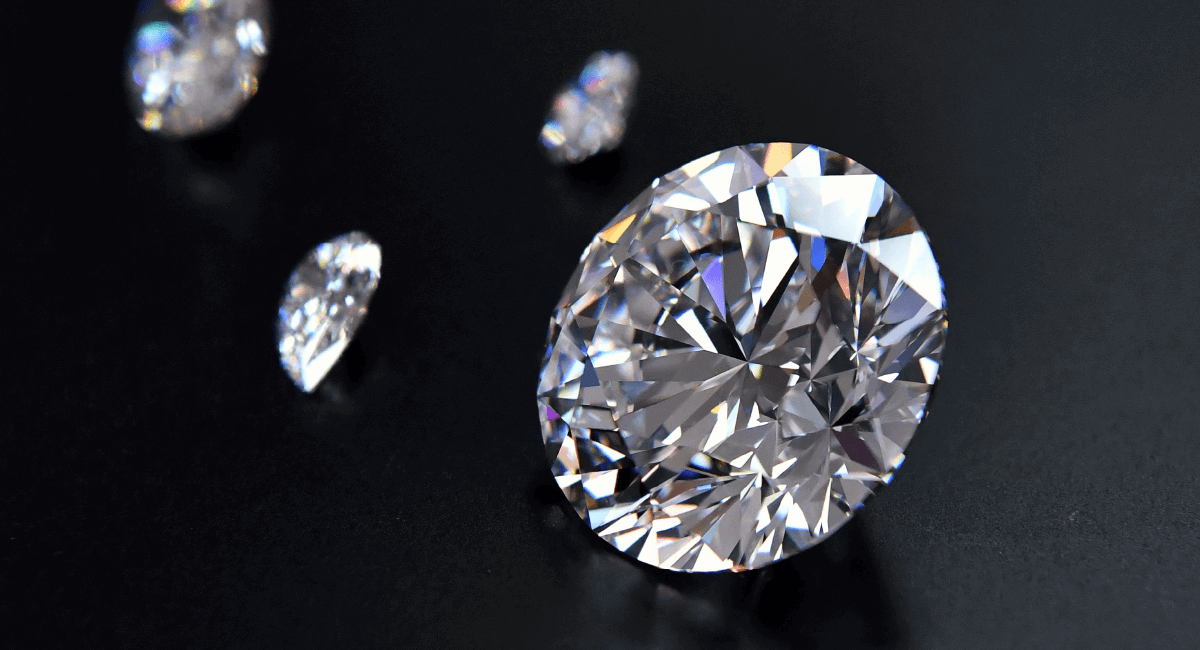

A diamond can look noticeably different depending on the metal surrounding it. A yellow gold setting introduces warmth, while white gold creates a cooler, silvery frame that works particularly well with colourless diamonds. Yet appearance is only part of the decision. The gold content, alloy composition, ring design and maintenance requirements all affect how an engagement ring will wear over the years.
For anyone drawn to the clean appearance of white gold, understanding what sits beneath its polished surface is a sensible place to begin.
What Gives White Gold Its Distinctive Colour?
Pure gold is naturally yellow. Jewellers create white gold by combining it with other metals, which may include palladium, silver or nickel, depending on the alloy.
The resulting metal usually has a pale grey or slightly warm tone rather than the bright silver-white appearance seen in jewellery photographs.
Many white gold rings receive a thin coating of rhodium, a precious metal from the platinum group. This provides a brighter, more reflective finish and helps achieve the familiar appearance associated with modern white gold jewellery.
Rhodium plating does not last indefinitely. Everyday contact with surfaces, skin and other jewellery gradually wears the coating, sometimes revealing a warmer colour underneath.
This change is normal and does not mean the ring is defective. A jeweller can renew the plating when necessary, although the frequency depends on wear and the individual’s preferences.
Is 9ct or 18ct White Gold Better for an Engagement Ring?
The difference between these two metals begins with their gold content.
9ct white gold contains 37.5% pure gold, with the remainder consisting of other alloying metals. It is generally less expensive than an equivalent 18ct design and can offer good resistance to everyday surface wear, depending on its composition.
18ct white gold contains 75% pure gold. It has a higher intrinsic gold content and is frequently selected for fine engagement jewellery. However, its resistance to scratches and deformation depends on the specific alloy, the workmanship and the thickness of the setting.
Neither metal is automatically the stronger choice in every situation.
A well-constructed 18ct ring with substantial prongs may offer better stone security than a delicate 9ct ring with insufficient metal around the diamond. Construction matters at least as much as caratage.
UK buyers should also check the hallmark. The fineness mark for 9ct gold is 375, while 18ct gold carries 750. Gold items weighing more than one gram generally require a legally recognised hallmark when sold as gold in the UK.
The Diamond Setting Changes How the Ring Feels
White gold works with man made diamonds designs, but the setting influences both the appearance of the diamond and the practicality of wearing it.
Solitaire Settings for a Clear Diamond Profile
A solitaire places attention on a single central stone. Slim prongs expose more of the diamond, while a slightly thicker band can provide greater structural support.
A round brilliant diamond offers a familiar balanced appearance. Oval and elongated cushion cuts can create a longer visual line across the finger, although their proportions deserve close attention.
An extremely thin band may look attractive in photographs but leave less material available for future resizing, polishing or repairs.
Halo and Pavé Designs
Halo settings surround the centre diamond with smaller stones, increasing the overall visual spread. Pavé shoulders add sparkle along the band.
These details can be attractive, but smaller diamonds introduce additional settings that require inspection over time.
Buyers comparing intricate designs should look closely at how securely each stone is held rather than judging the setting only by its sparkle.
Bezel Settings for Active Daily Wear
A bezel setting surrounds the outer edge of the diamond with metal. It offers additional protection around the stone’s perimeter and reduces the number of exposed prongs.
For someone who frequently wears gloves, handles equipment or prefers jewellery that catches less easily on clothing, a low-profile bezel can be practical.
The trade-off is a more prominent metal outline, which changes how much of the diamond remains visible from the side.
Matching Diamond Colour With White Gold
White metals can make differences in diamond colour more noticeable, particularly in open settings where the stone is visible from several angles.
A diamond graded D, E or F belongs to the colourless range. G and H diamonds are graded near-colourless and can also appear very white when properly cut.
However, buying the highest colour grade is not necessary for every ring.
Diamond shape, lighting, size and setting design influence how colour is perceived. Some elongated shapes may show body colour differently from round brilliant diamonds.
Cut quality often deserves considerable attention. A well-cut diamond can return light effectively, while an expensive colour grade cannot compensate for weak proportions or poor light performance.
For buyers considering lab-grown diamonds, independent grading reports from organisations such as IGI or GIA can provide useful information about the stone’s characteristics. A grading report should be checked against the actual diamond rather than treated as a guarantee of how attractive it will look.
White Gold Compared With Platinum
White gold and platinum can look similar when new, but they behave differently over time.
Platinum is naturally white and does not require rhodium plating to maintain its underlying colour. It develops a surface patina through wear and can be professionally polished.
White gold typically maintains a brighter appearance immediately after rhodium treatment, although the coating will eventually need attention.
Platinum is also denser, so two otherwise comparable rings may feel different in weight.
The better option depends on the desired finish, available budget, metal composition and willingness to maintain the jewellery.
For people with nickel sensitivity, the alloy matters particularly. Some white gold contains nickel, while other formulations use alternative whitening metals. Asking a jeweller about the precise composition is more useful than relying on the colour alone.
Details Worth Checking Before Ordering
Comparing ring designs becomes easier when the visible features are considered alongside their construction.
For example, browsing white gold engagement rings alongside different diamond shapes and setting profiles can help buyers assess how the same metal looks in a solitaire, halo or more protective design.
Before committing to a design, consider the following practical details:
- Band thickness: Extremely delicate bands may be more vulnerable to bending during everyday wear.
- Setting height: A raised diamond may catch more easily on clothing than a lower-profile setting.
- Prong construction: Check the number, thickness and placement of prongs around the stone.
- Rhodium maintenance: Ask whether replating is available and how the service is charged.
- Resizing options: Full eternity bands and complicated shoulder designs may be difficult to resize.
- Diamond documentation: Confirm whether the grading report matches the diamond being supplied.
Online buyers in the UK should also review the seller’s ring-sizing process, delivery arrangements and return conditions, particularly for individually manufactured or customised pieces.
Planning the Wedding Band at the Same Time
An engagement ring may be worn alone initially, but its relationship with a future wedding band deserves attention before the setting is finalised.
A low-set diamond can prevent a straight wedding band from sitting flush against the engagement ring. In some designs, a curved or contoured wedding band provides a closer fit.
The shape of the engagement ring’s basket, rather than the diamond alone, often determines whether two rings sit comfortably together.
Metal compatibility also matters. A white gold wedding band paired with a white gold engagement ring can create a consistent appearance, although both pieces may require refinishing over time.
If the wedding band is platinum, differences in hardness and long-term wear should be discussed with the jeweller, especially where the rings rub against each other daily.
There is also the question of future maintenance. Rings with numerous small diamonds may require more frequent inspections than plain metal bands.
Before approving a custom engagement ring, ask to see its side profile with the intended wedding band. A design that looks balanced from above can reveal gaps, exposed prongs or an awkward height difference when viewed from the side.
That small check can prevent expensive alterations after the wedding jewellery has been made.