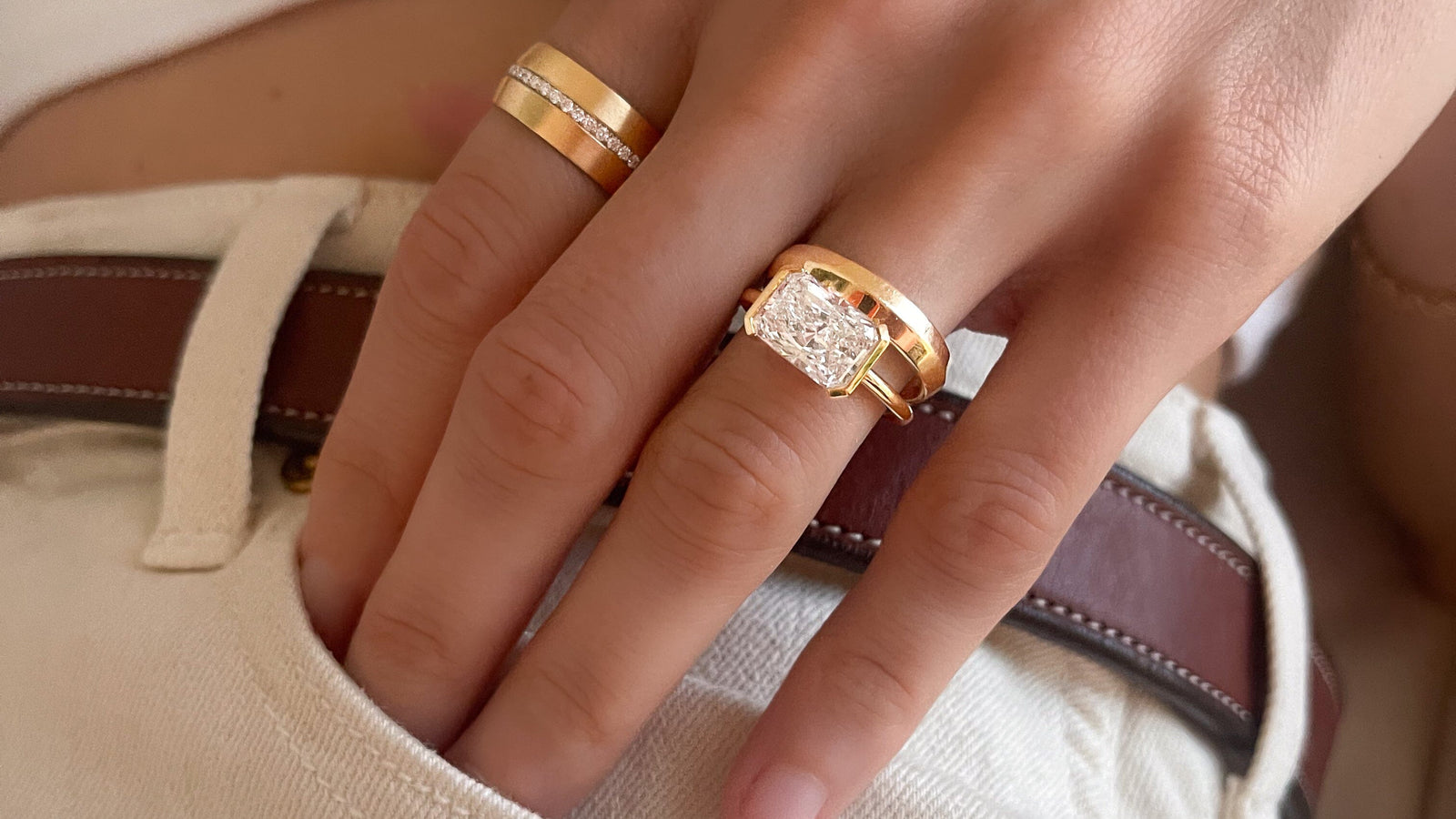

Buying a diamond today involves more decisions than shape and size. You are choosing how the stone is made how it reflects your values and how it fits your long term plans. This shift has changed how people approach engagement rings and fine jewelry overall.
Many buyers now ask direct questions. Where does the stone come from. How was it created. Does it offer the same durability and brilliance as traditional options. These questions are reasonable. They reflect a desire for clarity rather than tradition for its own sake.
This is where lab grown diamonds enter the conversation.
What lab created stones actually are
A lab created diamond is not a simulation or an imitation. It is a real diamond with the same chemical structure as one formed underground. The difference lies in origin not composition.
These stones are grown in controlled environments that replicate natural conditions. Carbon atoms bond in the same crystal structure. The result is a diamond that matches mined stones in hardness brilliance and longevity.
You can think of it like ice made in a freezer versus ice formed outdoors. The material is the same. The process is different.
Why buyers consider this option
People choose this path for clear reasons. Cost transparency is one. Ethical clarity is another. Control over quality is also a factor.
Here is what often matters most to buyers.
- Predictable pricing that aligns with size and quality
- Clear sourcing with fewer unknowns
- Access to higher color and clarity grades at the same budget
This does not mean one choice is superior in all cases. It means you have options that fit different priorities.
How quality is evaluated
The same standards apply to all real diamonds. Cut color clarity and carat weight still determine performance and appearance.
Cut remains the most important factor. A well cut stone returns light evenly and appears brighter. This matters more than size.
Color grading ranges from colorless to light yellow. Most people cannot see the difference between adjacent grades once the stone is set.
Clarity measures internal features. Many inclusions are invisible without magnification. Paying for flawlessness rarely changes what you see.
Carat weight affects size not beauty. Two stones of equal weight can look different depending on cut and shape.
These rules help you focus on what actually affects appearance.
Certification and trust
Independent grading is essential. Reputable labs use the same standards for all diamonds regardless of origin.
You should expect a grading report that lists measurements proportions and quality grades. This document protects you and allows fair comparison.
If a seller cannot provide clear certification you should pause.
Design flexibility and customization
Controlled production allows more consistency in supply. This opens up design flexibility.
If you want a specific shape ratio or size range you are more likely to find it without long waits. This matters when you are designing a ring around personal preferences rather than what happens to be available.
For example
You want an elongated oval that sits low in a minimal setting. Matching that vision becomes easier when supply is predictable.
This flexibility supports thoughtful design rather than compromise.
Long term wear and care
Durability is identical to mined stones. Daily wear does not change. Cleaning routines remain the same.
You should still remove rings during heavy manual tasks. You should still have prongs checked regularly. These habits protect any fine jewelry.
Insurance coverage also works the same way. Appraisals are based on current market value and documented quality.
Value over time
Value depends on context. If you measure value as resale potential the market behaves differently. If you measure value as years of enjoyment and fit to your life the equation changes.
Many buyers focus on present utility. They want a stone that looks good feels right and fits within financial plans.
There is no universal answer. There is only alignment with your goals.
How this relates to ring shape choices
When people explore oval engagement rings they often want elegance without excess. The shape offers length sparkle and visual balance.
Pairing that shape with lab grown diamonds allows you to adjust size or quality without stretching budget limits. This combination supports both design and practicality.
You are not choosing less. You are choosing deliberately.
Questions to ask before deciding
Before you commit ask yourself a few grounded questions.
- What matters more appearance or tradition
- Do you want maximum size or highest cut quality
- How important is sourcing transparency to you
Clear answers simplify the process.
Making the decision with confidence
The best choice is the one you understand fully. Pressure and trends fade. Understanding lasts.
When you know how lab grown diamonds are made how they perform and how they fit your design goals you remove doubt from the decision.
That confidence shows in the final piece you wear every day.
FAQ
What is the difference between lab grown and mined diamonds
The difference is origin. Both are real diamonds with the same physical properties.
Will a jeweler treat these stones differently
Most jewelers set and service them the same way. Always confirm service policies in advance.
Are lab grown diamonds suitable for engagement rings
Yes. They offer the same durability and appearance needed for daily wear and long term use.